Emergency Maintenance

Emergency Response Guide: What to Do When Your Washer or AC Leaks Water in Jeddah

Emergency guide for washer and split AC water leaks in Jeddah. Immediate safety actions: disconnect power, isolate valves, and technician diagnostics.

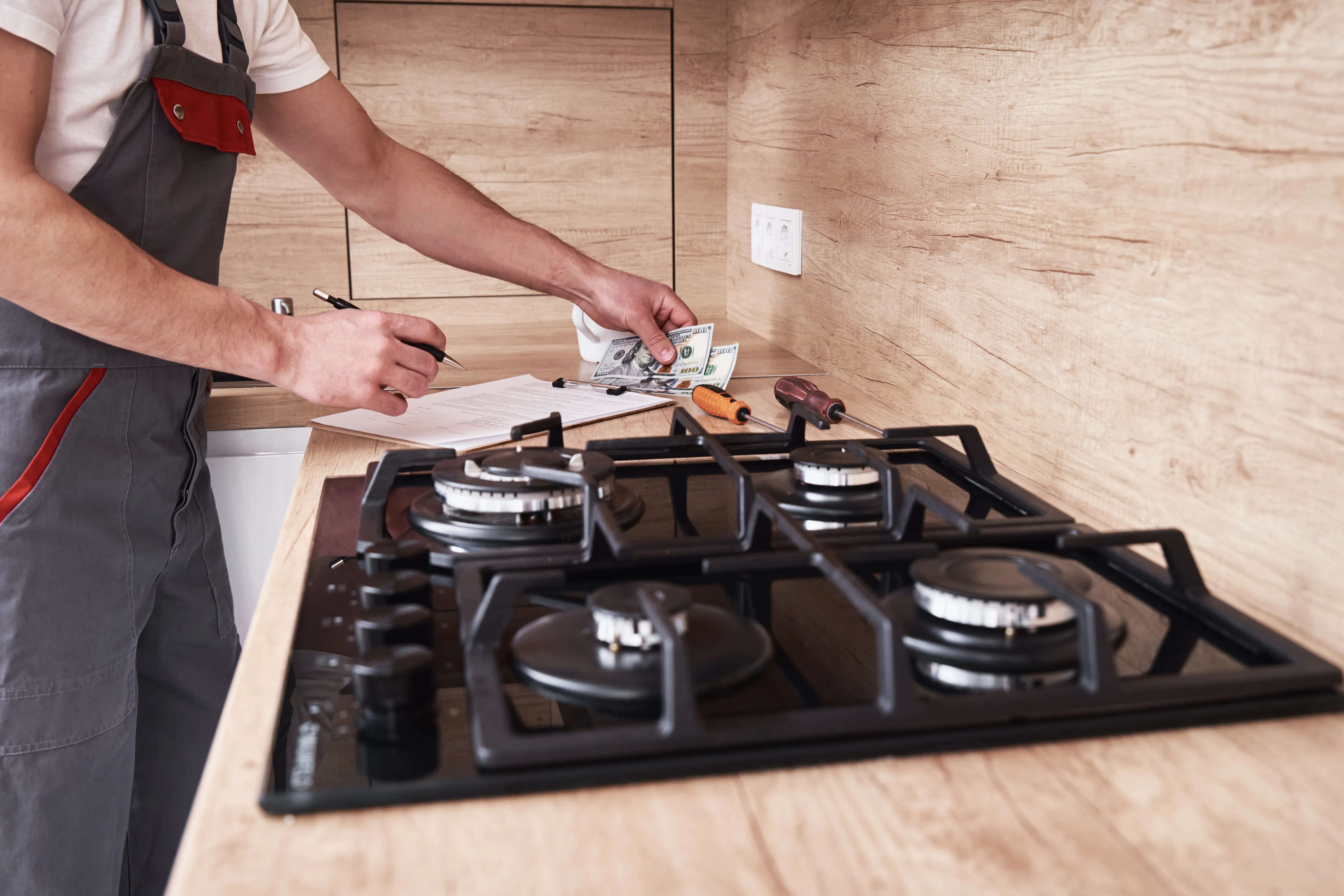
Technician writing on a clipboard beside a gas cooktop
Emergency Response Guide: What to Do When Your Washer or AC Leaks Water in Jeddah — RMAN Services, Jeddah
Emergency MaintenanceEng. Sajid Ramzan Technical Team2026-10-02
Key takeaways

When a washing machine or split air conditioner begins leaking water inside your home, immediate orderly action prevents electrocution risks, ceiling collapses, and structural water damage. The first safety priority is disconnecting electrical power to the leaking unit at the wall socket or main distribution panel with dry hands. Describe symptoms noticed during normal use of the washing machine, without running it again to reproduce a potentially hazardous fault. Your observations help explain the problem when booking an inspection. For air conditioning units, switch off the AC via the remote control and trip the dedicated circuit breaker to protect the indoor blower and electronic control PCB. Next, contain standing water using heavy towels and basins, protect nearby electrical outlets and flooring, and inspect the origin of the water without dismantling panels. Never operate the appliance while damp, and do not attempt internal electrical disassembly. If you know about an earlier repair to the washing machine, explain what was done and whether symptoms changed afterward. Do not assume the current fault has the same cause before inspection.

Immediate Safety Protocol: Electrical Isolation and Water Supply Shutdown

Water and electrical current form a lethal combination inside domestic laundry rooms and living quarters.

Gather information about the washing machine from available documents, leaving covers and connections in place. Do not dismantle a part to obtain additional details before the visit.

Isolate Electrical Power: Never step into standing puddles of water to reach an appliance cord. If water surrounds the outlet, proceed straight to your home distribution panel (breaker box) and switch off the dedicated circuit breaker supplying that room or appliance. Only disconnect the wall plug if the switch, plug, and floor remain completely bone-dry.
Shut Off Washer Water Inflow: For washing machine leaks, reach behind the machine and turn the quarter-turn angle valves clockwise until fully closed. If the valve is seized, shut off the primary residential cold water line temporarily.
Turn Off AC Units: For split systems dripping condensate down indoor walls, switch the system off using the handheld remote and flip the AC isolation switch on the wall or breaker board to protect the internal transformer and motor capacitors.

Managing Washing Machine Leaks: Drain Hoses, Gaskets, and Internal Sumps

Washing machine leaks typically fall into three distinct mechanical categories, each demanding specific immediate containment:

Supply Hose Rupture: High-pressure braided rubber or PVC inlet hoses can develop pinhole splits or loose coupling seals. This results in continuous high-pressure spraying regardless of whether the washer is operating. Describe what appeared on the display as you saw it, without treating it as a confirmed diagnosis. Also explain what the washing machine was doing when the problem appeared.
Drain Line Overflow or Pump Leakage: If water surges across the floor exclusively during the drain or spin cycle, the corrugated drain hose may have slipped out of the standpipe, suffered a mechanical kink, or the internal drain pump casing or filter cap seal has failed. Place catch basins beneath the rear drainage exit.
Front Door Gasket Puncture: Water pouring down the front glass door panel during the wash cycle indicates a torn rubber bellow or hair and debris preventing a watertight seal.

Take clear photographs of the leak path and puddle volume before mopping; this visual documentation provides valuable diagnostic clues for the responding technician.

Handling Split AC Indoor Water Leaks: Drain Trays, Algae Clogs, and Frozen Coils

Indoor split AC units generate liters of condensate water daily due to warm, humid coastal air in Jeddah condensing across cold evaporator fins.

When an indoor unit drips or pours water down the interior wallpaper and baseboards, the root causes are usually operational:

Algae and Slime Blockage in the Condensate Pan: Dust, airborne microbes, and standing water form a gelatinous biofilm in the plastic collection tray, sealing the drain elbow.
Kinked or Back-Pitched Drain Hose: If the flexible plastic drain hose lacks continuous downward slope through the exterior wall penetration, water backs up and overflows the internal tray lip.
Frozen Evaporator Coils: Severely clogged air filters or low refrigerant pressure cause moisture to freeze into solid ice sheets across the aluminum coils. During inspection, ask about the fault found in the washing machine and the work proposed to address it. Request a clearer explanation before agreeing if anything remains unclear.

Place buckets beneath the indoor unit, pull furniture away from the dripping wall, and never attempt to poke stiff metal wires into the drain tray, which easily punctures the plastic housing.

Critical Mistakes to Avoid During a Home Appliance Water Leak

Homeowners attempting hasty emergency fixes often cause more severe secondary damage than the initial leak.

Avoid these common and dangerous errors:

Never Turn the Appliance Back On: Do not attempt to run another test cycle while internal components remain damp. The decision to repair the washing machine rests on inspection findings rather than a guessed part name. The technician explains the fault and provides a firm quote after inspection before work is agreed.
Do Not Open Electrical Enclosures: Never remove back metal panels on washers or casing covers on AC units while the appliance is connected or recently flooded. High-voltage capacitors retain dangerous electrical charges even after power is disconnected.
Avoid Caustic Chemical Drain Cleaners: Pouring acidic or caustic drain-opening gels into delicate plastic AC drain lines or washing machine corrugated hoses corrodes plastic fittings, dissolves glue joints, and creates chemical burn hazards for technicians.
Tell the technician whether the issue followed a change in the location or use of the washing machine, without trying to reverse it by altering connections yourself. Distinguish facts from assumptions. If access to the washing machine is safe, move belongings that obstruct the visit. Leave internal parts to the technician and do not move a heavy or fixed appliance to obtain a better description.

Professional Diagnostics and Emergency Leak Repair from RMAN in Jeddah

RMAN provides 24/7 emergency dispatch and same-day technical diagnostics for domestic washing machine flooding and indoor split AC water leak emergencies across Jeddah.

An existing photo of an external sign on the washing machine can be shared, provided it does not require approaching a dangerous area. A description is sufficient when taking a photo is unsafe.

For washer and AC water leaks, the appliance is assessed at your location. The technician explains the fault and proposed work, then provides a firm quote after inspection.

Ask how the proposed work on the washing machine relates to the current fault. Do not assume that repairing an issue will automatically address another symptom that has not been inspected.

Related Frequently Asked Questions

Practical answers about this topic.

For washer and AC water leaks, describe what changed during ordinary use and whether the fault is continuous or intermittent. The technician explains inspection findings and proposed work, with a firm quote after assessment before repair is agreed.

Specialized Repairs in Jeddah

Need the problem inspected?

Explore related services and describe the symptoms when booking:

Need Technical Advice or Booking?

Contact Eng. Sajid Ramzan’s team directly for on-site diagnostic inspection in Jeddah.